Keratosis Pilaris

Close-up of keratosis pilaris on upper arms treated by skin care specialist at Integricare Dermatology clinic in Perth

What are these rough small bumps on my arms?

If you have tiny, rough bumps on your arms, thighs, and/or cheeks, you may have keratosis pilaris (KP).  A common and harmless skin condition that some people describe like “chicken skin.”

What is KP?

KP occurs when dead skin cells clog hair follicles, creating small, rough bumps that may be red, white, or skin-coloured. It’s more noticeable in cooler months and often improves in summer.  Sometimes they can be itchy or confused with eczema.

Who gets KP?

KP is very common, affecting up to 80% of teenagers and 40% of adults. KP usually appears in childhood, worsens around puberty, and improves with age. It can run in families.

Is KP dangerous?

No. It’s a cosmetic issue that doesn’t cause health problems but can be bothersome for some people.

Can KP be removed?

While there’s no cure, treatments can reduce their appearance or symptoms. Moisturising reduces dryness (xerosis) and any irritation.  Using hydrating and exfoliating creams containing products such as salicylic acid, lactic acid, alpha hydroxy acid, glycolic acid and urea can help.  Prescription oral medications including retinoids or creams can be used.  Laser treatments can improve redness (erythema) and texture. KP often improves naturally with age.

Bottom line: KP is a common and harmless condition. While there’s no cure, simple skin care can help smooth the skin.

#keratosispilaris #smoothskin #SkinCareEducation #skincaretips
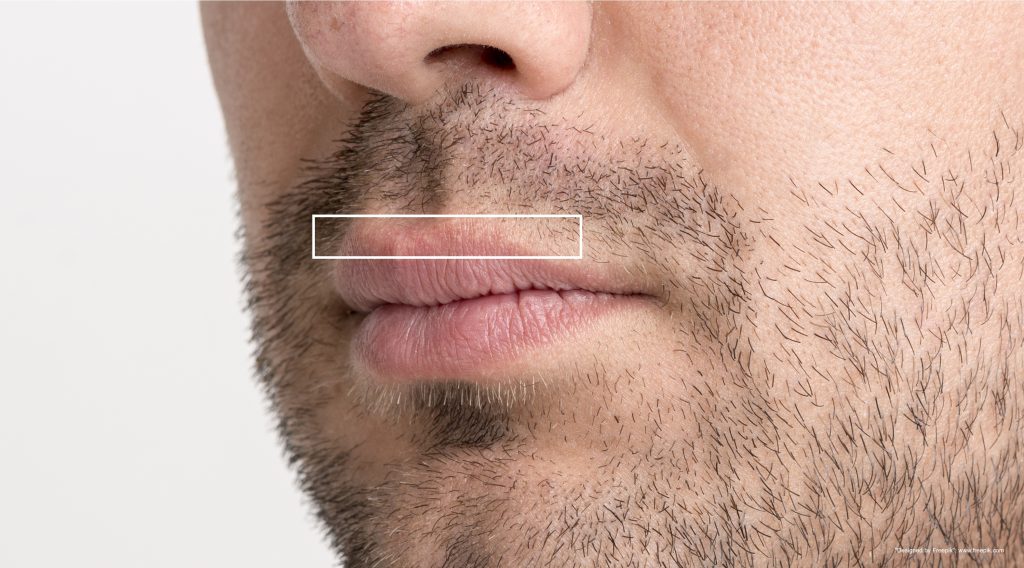
Fordyce Spots

Dr Glenn Parham, skin care specialist in Perth, examining a patient with Fordyce spots at Integricare Dermatology clinic

What are these small lumps on my lips?

If you’ve noticed tiny, pale yellow or white bumps on your lips, you’re not alone. These are most likely Fordyce spots, a normal and harmless feature of your skin.

What are fordyce spots?

Fordyce spots are small, painless bumps present on the lips, sometimes inside the cheeks or on the genital area. They’re oil (sebaceous) glands that everyone has, but in some people (more commonly men and after puberty) they’re more visible. They often show up on the upper lip especially near the border where the red part (vermilion lip) meets the skin (vermilion border).

Who Gets Them?

Fordyce spots are very common, up to 80% of people have them.

Are they Dangerous?

Fordyce spots are harmless. They aren’t a sign of an infection, an STD, or any other health problem. They don’t hurt, itch or cause any other symptoms.  If the spots have arisen quickly, itch, bleed, scab, burn, sting, change colour or you’re unsure, seek medical consultation.  Sometimes early infections or other skin conditions needing exclusion or treatment at the earliest stage can look like Fordyce spots.

Can They Be Removed?

Since they are a natural part of your skin there’s no medical need to remove them. If you don’t like how they look some treatments can make them less visible such as:

  • Destructive treatments that remove layers of skin such as laser, cryotherapy (liquid nitrogen), electrodessication (localised electric current), and curettage (scraping the top layer of skin), or a combination.
  • Chemical and cream products that remove surface layers of skin.  These are irritating.
  • Certain prescription medications can reduce their appearance.

Bottom Line:

If you have Fordyce spots, don’t worry.  They’re a normal part of your skin and don’t require treatment.

#skincare #SkinEducation #lipbumps #FordyceSpots #LipCare

Rosacea

Woman with facial rosacea redness receiving dermatology care in Perth at Integricare Dermatology clinic

Rosacea is a chronic inflammatory skin condition involving the face, affecting ~5% of people, often causing redness, visible blood vessels & sometimes pimples. Whilst incurable, it is manageable.

There are 4 main subtypes which can overlap:

1) Erythematotelangiectatic Rosacea (ETR): Redness, burning sensations & broken capillaries.

2) Papulopustular Rosacea: Acne-like breakouts with red bumps & pimples.

3) Ocular Rosacea: Affects the eyes with redness, irritation & burning sensations.

4) Rhinophymatous Rosacea: Thickened skin often involving the nose & is more common in men.

The most common form is ETR, often triggered by sun exposure, spicy foods, stress, & alcohol. To reduce redness, green-tinted creams and makeup can help neutralise discoloration.

If you suspect you have rosacea, Integricare Dermatology can provide expert guidance on effective management options. Visit https://www.dermcoll.edu.au/atoz/rosacea/ for further information on rosacea.

#rosacea #rosaceaawareness #skincareforrosacea #skincaretips #healthyskin